
Find out if your MVP is worth betting on
We design and build a lean first version of your platform so you can get off the ground fast and learn from actual users.
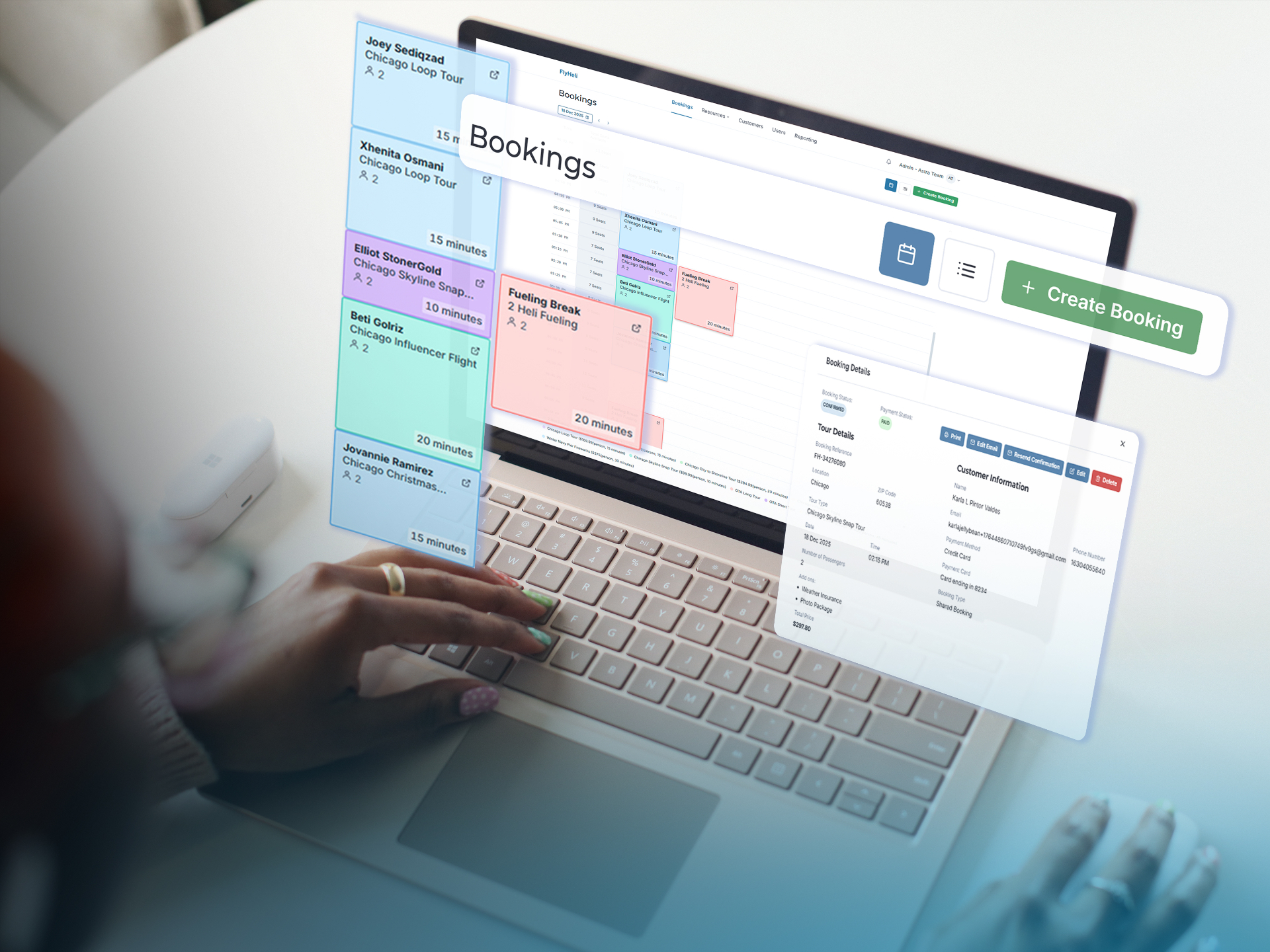
Build the smallest useful version that delivers a real result
Rather than letting a good idea die in meetings or overspending on a big build that doesn’t work, we’ll help you build just enough to prove the concept. We’ll aggressively trim the scope, move fast, and stay honest about what belongs in MVP vs. later.
Prove the concept
Save real time and money
Generate real revenue and usage data
Show a real product to stakeholders
How MVP development with Astra works
Define the MVP in One Working Session
Get clarity on what you're building and why.
- What problem are we solving?
- Who is the first user?
- What is the smallest set of features they actually need?
- What does "success" look like for version one?
You walk away with a clear MVP scope we both agree on.
Design the Flows, Not a 100-Page Spec
Just enough design to build confidently.
- Simple user journeys
- Key screens and states
- Basic architecture and data model
No big design production. Just enough to build confidently.
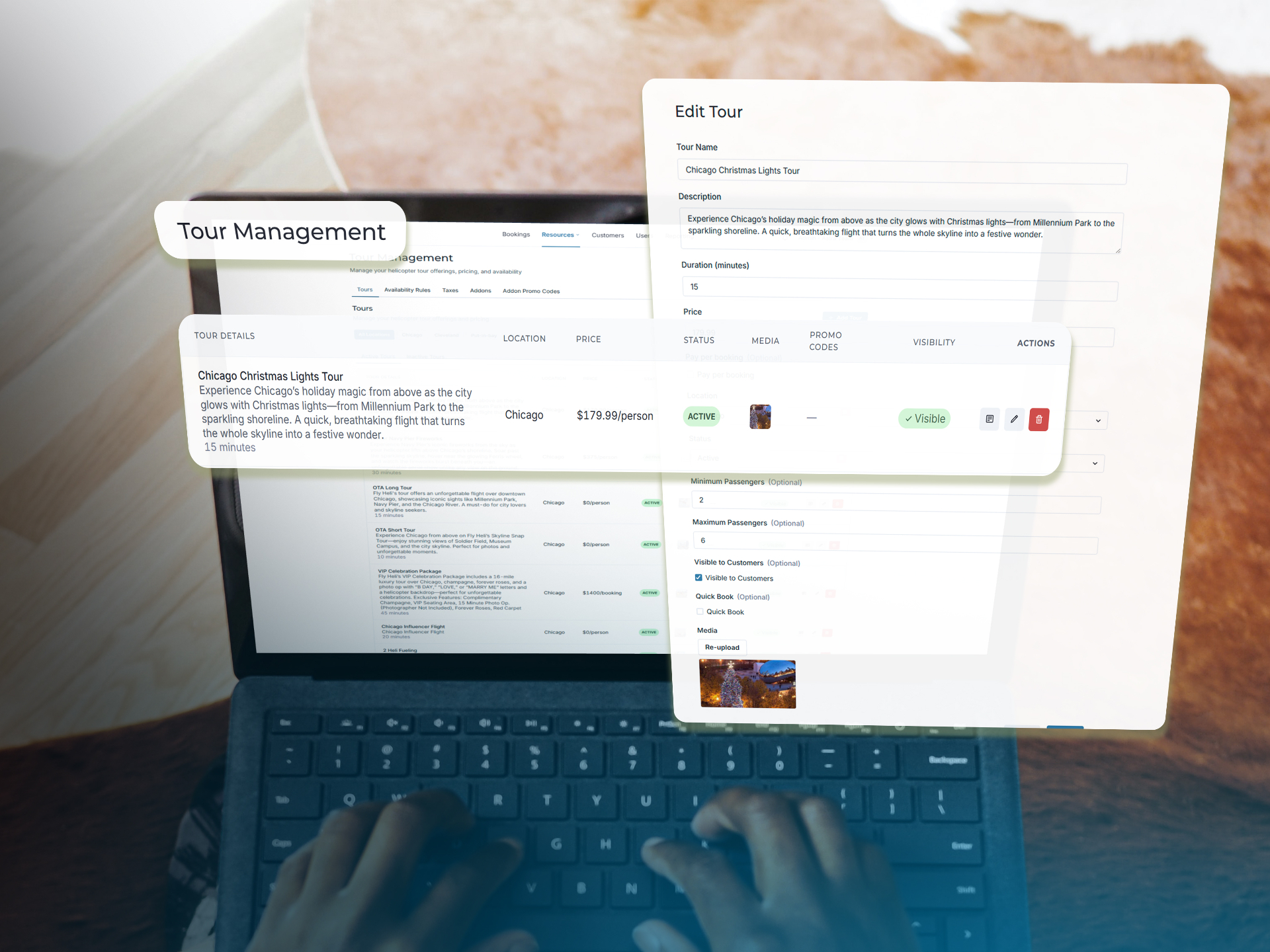
Fly Heli. A guided availability and booking journey makes the core customer task clear.
Build in Short Sprints and Ship
Real progress you can see and test.
- We build the core flows we agreed on
- You see progress every 1–2 weeks
- We test, fix, and get it into real users' hands
The goal is a working MVP, not a forever roadmap.
What's included in MVP development
MVP Clarity Session
60–90 minutes with your key stakeholders to define what you're actually building.
- Define the problem, user, and "must-have" features
- Decide what we're not building in version one
- Align stakeholders on scope and success criteria
Output: A one-page MVP scope we both sign off on.
Lean UX & Architecture
Simple flows and core screens — no 100-page spec documents.
- Simple flows and core screens
- Minimal technical design for version one
- Plan for how it could grow later (without overbuilding now)
Output: Just enough design to move into development confidently.
MVP Build
The actual development work to bring your MVP to life.
- Core feature development
- Basic admin or back-office access if needed
- Integrations only where they're absolutely required
- Basic analytics so you can see usage
Output: A working MVP people can actually use.
Launch & Handoff
Get it live and make sure you can run it.
- Launch plan (internal or external)
- Light training or walkthrough for your team
- Handoff of code and documentation
Output: You own a live MVP and know how to run it.
Short Post-Launch Support Window
Support during the critical early weeks.
- 30 days of bug fixes and small tweaks
- Help interpreting early usage and feedback
- Clear options for next steps (iterate, scale, or pause)
Output: You're not guessing what to do next with your MVP.
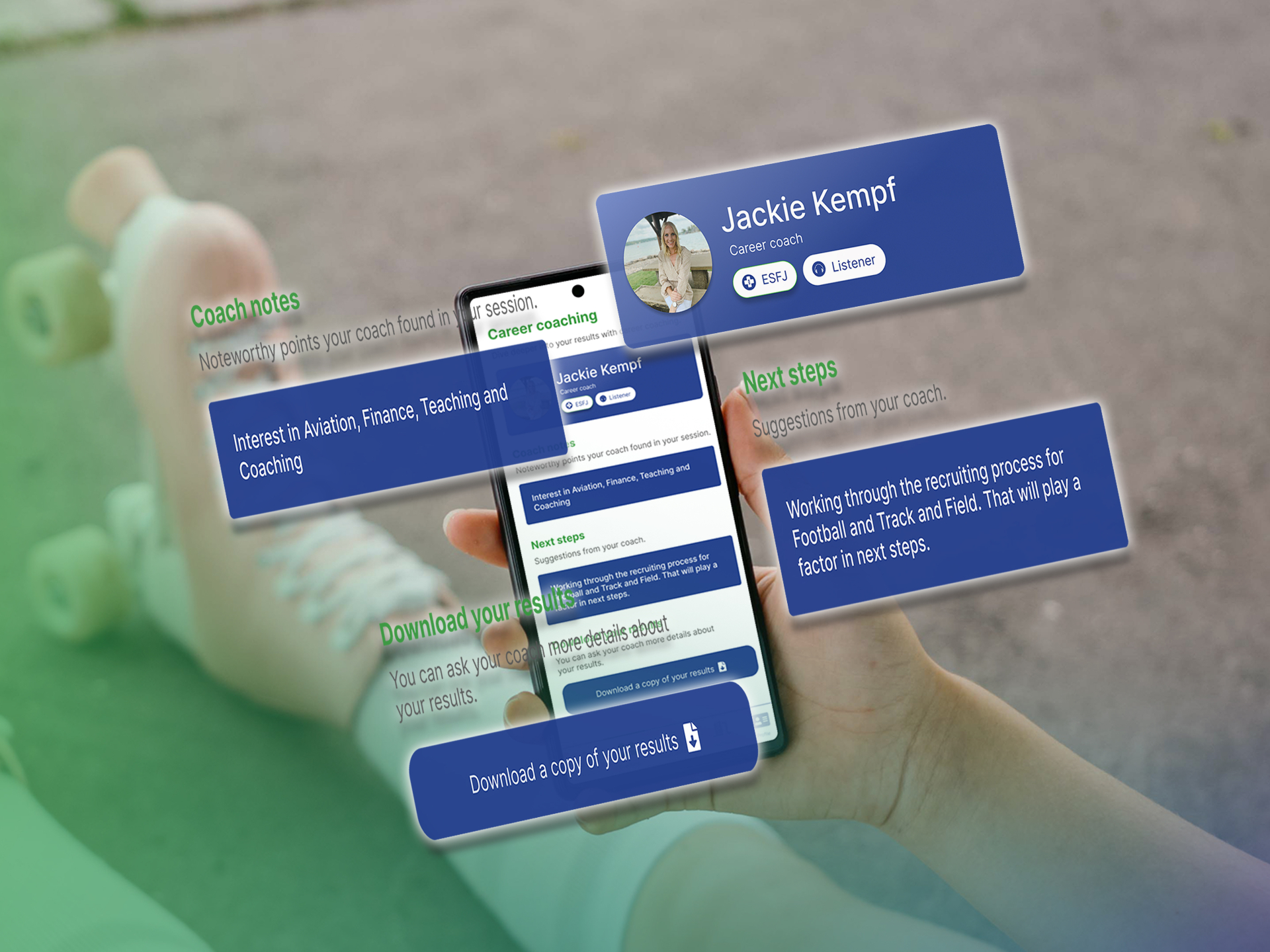
CareerMatch. Coaching tools were refined through actual sessions and feedback.
Why ship an MVP instead of waiting for “perfect”
If you wait for a fully built platform, you pay full price before you know if it works.
You Get Real Data
Actual users will tell you what matters — not assumptions in a meeting room.
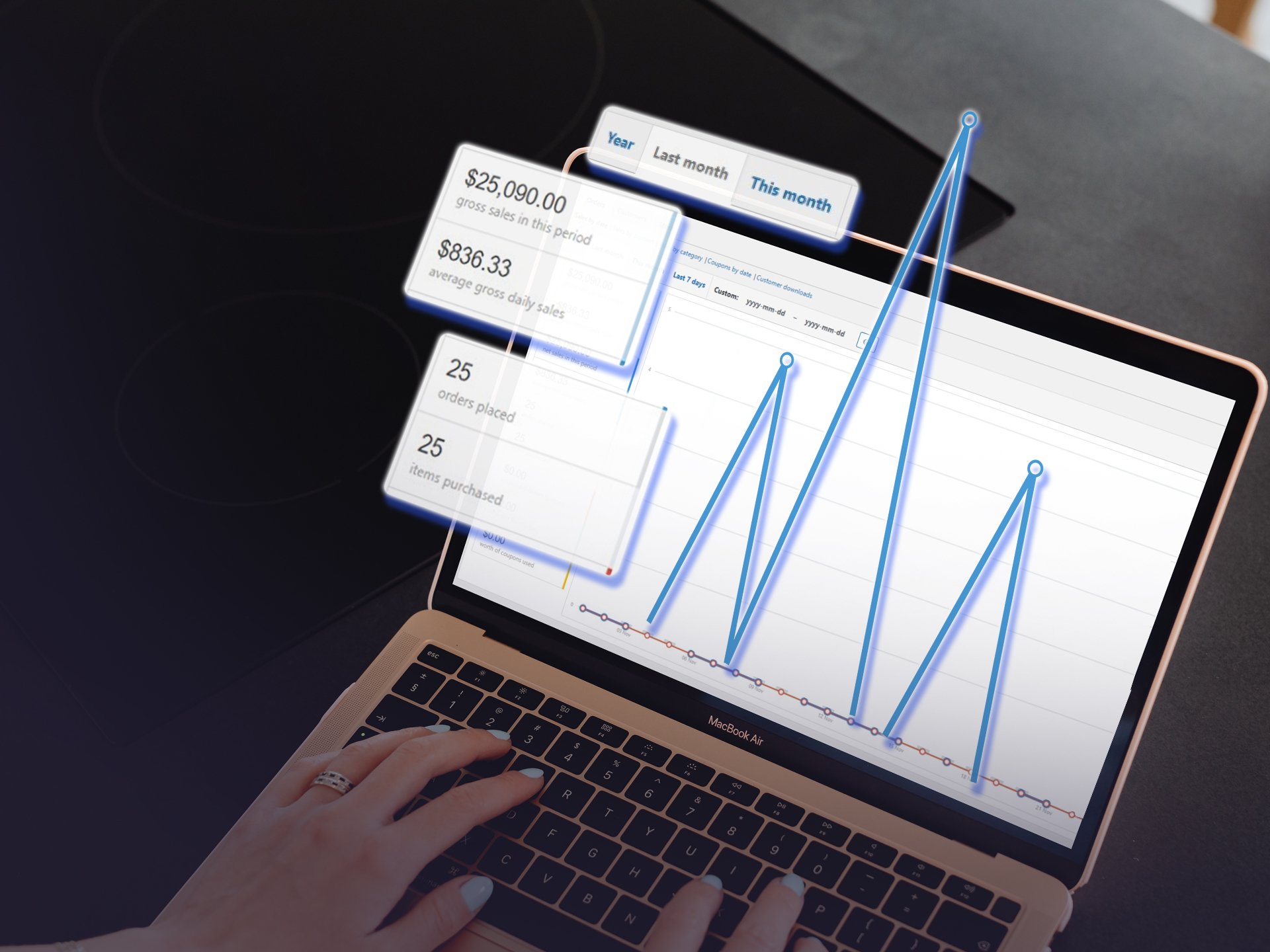
Kairos Tickets. Organizer reporting makes operational activity visible for product feedback and decisions.
You Control Risk
Limited scope, limited spend. You learn before you invest big.
You Move Faster Than Competitors
Speed beats polish in the early stage. Ship and iterate.
You Build Internal Confidence
Leadership can react to a real product, not just a pitch deck.
Where MVP development makes the most sense
Internal Tools to Remove Painful Manual Processes
Build a simple tool that saves your team hours every week. Prove the value before scaling.
New Product or SaaS Concept
Ship the smallest version that a real customer can pay for. Validate before you build the full platform.
Cost-Saving Automation
Build just enough automation to prove a clear savings case. Show ROI with a working prototype.
Board / Investor Validation
Show a working product instead of another deck. Real demos beat slide projections.
Common questions about MVP development
We proactively address the most common concerns, doubts, and hesitations leadership teams face when exploring MVP development.
How fast can we launch an MVP?
Depends on scope, but we're talking weeks to a few months, not years. We'll give you a clear range after the MVP Clarity Session.
What if we don't know exactly what features we need?
That's normal. We'll help you decide what belongs in version one and what can wait. Defining scope is part of the process.
Will we have to rebuild everything later?
Not necessarily. We build MVPs with a path forward in mind — but we don't over-engineer for problems you don't have yet. The goal is to learn first, then scale what works.
Do we own the code?
Yes. You own the code and IP. It's your asset to continue developing with us, your own team, or another partner.
Get out of the idea stage.
You don't need another planning meeting. You need a working MVP in front of real users. We'll define what version one should be, what it will take to build, and whether we're the right partner to do it.